


Toyota 4Runner Skid Plates
Showing 25–36 of 36 results
-
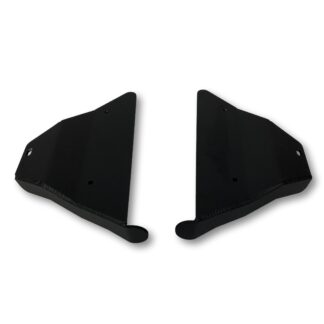
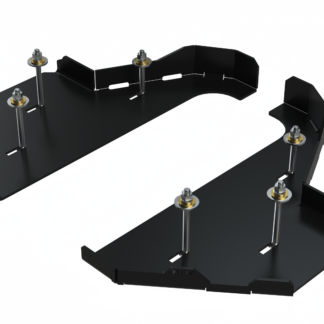
KDSS A-Arm Skid Plates | 10-24 4Runner / GX 460
Free Shipping! Sale! Price range: $233.00 through $304.00 (SAVE 10%)
In Stock
-
Select options This product has multiple variants. The options may be chosen on the product page -

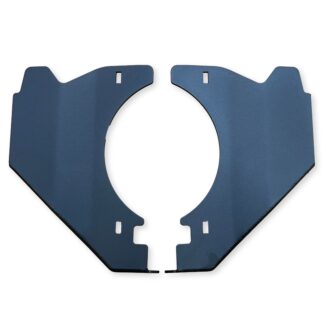
TRD Integration Skid Plate | 10-24 4Runner / FJ Cruiser
Free Shipping! Sale! Price range: $314.00 through $358.00 (SAVE 10%)In Stock
-
Select options This product has multiple variants. The options may be chosen on the product page -
A-Arm Skid Plates | 25-Present 4Runner/ 24-Present Land Cruiser
Free Shipping! Sale! Price range: $260.00 through $314.00 (SAVE 10%)In Stock
-
Select options This product has multiple variants. The options may be chosen on the product page -
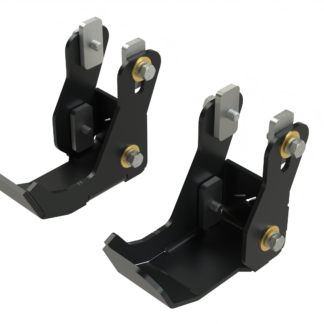
A-arm Skid Plates | 96-02 4Runner / 95-04 Tacoma
Free Shipping! Sale! Original price was: $279.00.$251.00 (SAVE 10%)Current price is: $251.00.
Some Options are In Stock
-
Select options This product has multiple variants. The options may be chosen on the product page -
A-arm Skid Plates | Tacoma / 4Runner / FJ / GX
Free Shipping! Sale! Price range: $233.00 through $304.00 (SAVE 10%)Some Options are In Stock
-
Select options This product has multiple variants. The options may be chosen on the product page



Showing 25–36 of 36 results
Frequently Asked Questions: Toyota 4Runner Skid Plates
Skid plates are strong metal shields that protect the underbody of your 4Runner — like the engine, transmission and fuel tank — from rocks, logs, ledges and trail obstacles. Factory skid protection is often thin and lightweight; aftermarket skid plates from RCI give you real defense so you don’t end up with costly damage out on the trail.
RCI offers skid plates for multiple 4Runner generations, including third-gen (1996–2002), fourth-gen (2003–2009), fifth-gen (2010–present), and the latest sixth-gen (2025+), so they’re designed to match the vehicle’s frame and suspension layout for each model.
We always start with an engine skid plate because it protects the oil pan, front differential and low-hanging cross-members — the parts that are most vulnerable on trails. RCI’s front skid plates fit perfectly and bolt on without drilling.
RCI skid plates are available in 3/16″ steel (maximum strength for serious rock crawling) or 1/4″ aluminum (lighter weight with good corrosion resistance). Steel is best for heavy impacts; aluminum reduces weight and still offers excellent protection for moderate trails.
Yes — because each part of the drivetrain sits at different heights and angles under the 4Runner, dedicated skid plates are best. RCI offers engine, transmission and transfer-case skid plates to protect each area individually or as part of a complete protection kit.
A full package typically includes skid plates for the engine, transmission and transfer case — giving you complete lower-body protection from front to middle. Many of us take this route on trail rigs because it shields every major component that could be hit going over obstacles.
What about fuel tank skid plates — do 4Runners need them?
Yes — on some builds, specific lower link/A-arm skid plates are available for 6th-gen models to protect front lower link mounts and suspension arms, which can be vulnerable on rough terrain.
In most cases, yes. RCI designs skid plates with enough clearance and flexible mounts so they continue to work with common suspension lifts and differential droppings, but verifying fitment for your specific build is always a good idea.
RCI skid plates are typically bolt-on using existing factory mounting points — no drilling or welding is required. Installation can take a few hours, but the peace of mind on trail makes it well worth the time.
RCI engine skid plates often include service openings or are designed so you can access drain points without total removal — making routine maintenance much simpler than with many other aftermarket options.
Good skid plates are designed to hug the underside closely and slide over obstacles rather than catch. Properly shaped and mounted plates improve how the truck interacts with rough terrain with minimal impact to clearance.
Factory skid protection is usually thin, sometimes plastic-lined, and meant for light duty. RCI skid plates are made from rugged steel or aluminum and built to sustain impacts and protect expensive components in real off-road conditions.
Many of us prioritize lowest-hanging and most vulnerable components first: engine/oil pan, then transmission, transfer case, and fuel tank. Other areas like differential skids come next if you run aggressive trails.
After muddy or rocky runs, rinse off debris and inspect for bends or scrapes. Check that hardware is tight and touch up any chips in the finish to slow rust. A little post-trail care keeps them performing great for years.